
Calendar Event Sorting
At the top, the 24/7/365 SAMHSA Disaster Helpline and similar links.
Next, Bundled “All Day” Events
Some organizations (like 12 step recovery programs, AA, NA, AlAnon, etc.) have so many events happening throughout the day that they need to be in a bundled listing to spare endless scrolling. Often there is a link to look up events by zip code and other criteria.
Lastly, Time-Specific Events
So you can see what’s happening in the next hours, time specific events are tagged and listed by start time from 12:01am early morning to 11:59pm late night. There can be events and warmlines operating in different time zones, though we try to list all in Oregon’s Pacific Time Zone.
Page Advancement
The calendar displays ~50 listings per page. To advance to next page with ~50 more listings, click the right arrow in the lower left corner of the calendar

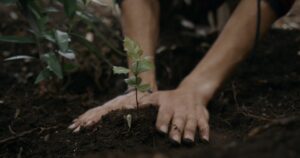
Oregon wildfire Support For Wildfire Affected and Survivors
Get Help After a Wildfire
We can connect you to resources
Call 833-669-0554
Open 24/7, every day. Interpreters are available. We will talk with you about your needs.
Fill out an online form
Fill out the form on the Unite Us website. We will reach out to talk with you about your needs.
Food and shelter
- Emergency food resources
Find food pantries and help with groceries or meals. - Replace SNAP food benefits
If you lost food you bought with SNAP food benefits, you may be able to get your benefits replaced. - Find a Red Cross shelter
You can also use the Red Cross mobile app to look for current shelter openings.
Referrals and support
- 211info website
Contact 211 to find help in your area. There are many ways to contact 211. Interpreters are available. - Lines for Life
Call 800-923-HELP (4357) if you need emotional support or help finding resources. You can call any time, 24/7. Interpreters are available.
Health and safety
- Wildfires and smoke
Learn about protecting your health from wildfire smoke.
Information for resource families (foster care)
In a major emergency or disaster, the local Child Welfare office needs to know where all children in foster care are located.
- What you need to do in a disaster or emergency
- Printable resource sheet:
English | Español |
PEER SUPPORT AND COMMUNITY
As communities recover from the impacts of recent wildfires, many individuals are left coping with more than just physical loss. The emotional and psychological toll can linger long after the smoke has cleared.
It’s important to recognize when a normal reaction shifts into something more concerning. Emotional responses like fear, sadness, anger, or fatigue are natural and okay in the aftermath of a disaster. It may be a sign that someone needs additional mental health support if:
- these feelings become prolonged,
- are overwhelming,
- or begin to interfere with daily functioning.
How We Can Support Each Other:
- Check in with neighbors and coworkers. A simple conversation can be a lifeline.
- Create space to express emotions. Let people share at their own pace—without judgment. Remember not everyone, especially children and teens, may express emotions and needs the same way others do.
- Know the signs of distress. Fear, anger, sadness, worry, frustration, changes in sleep, appetite, energy or behavior, difficulty concentrating or making decisions, worsening physical health, and increases in use of alcohol, tobacco and other drugs may indicate someone needs help.
- Encourage rest and recovery. Healing takes time. Support one another in slowing down and reconnecting with the people and activities you enjoy.
- Stay informed through the news and official sources. It can be helpful to stay informed of resources and steps to recovery. Yet too much can increase stress and anxiety. Taking brief breaks from the news cycle can help find a good balance. Perhaps tag-team who will look at information and report any new, essential information to others, with the responsibility shifting over set time intervals.
Resources Are Available
- Disaster Distress Helpline:
- 1-800-985-5990 or text “TalkWithUs” to 66746
- Call or text 988 24/7 or access other support lines
- Call or text 988 24/7
- https://www.nwpeersupport.org/ Peer Support Resources for First Responders
- Healthcare Provider Mental Health and Crisis Support Resource Page
- Mid-Columbia Center for Living https://www.mccfl.org/
1060 Webber Street the Dalles, OR 97058
Phone: 541-296-5452 - Youth/Family Resources:
- Helping Children Cope with Disaster – a FEMA guidance document
(Spanish version here) - Ready Wrigley: Coping with Disaster (children’s coloring book)
- National Child Traumatic Stress Network
Fire Recovery Resources
Trinka and Sam The Big Fire book (English version)
Trinka y Juan El Gran Fuego libro (Spanish version)
“Taking Care of Yourself” use this list to help you decide which self-care strategies will work for you
- Helping Children Cope with Disaster – a FEMA guidance document
Facing the aftermath of a wildfire is challenging, but you’re not alone. Download our comprehensive “Rebuild After the Fires” guide to navigate your recovery journey. Plus, learn about our FREE upcoming “Displacement Resilience” LIVE online program designed to support you in rebuilding a life beyond what the fires took.
Wildfire Survivor Handbook
After the Fire: How Forest Therapy Supports Wildfire Survivors and Reconnects Us to the Earth
Resources
New Wildfire Toolkits Recommend Actions To Rebuild Fire-Affected Communities Faster
Resources and actions for local and state-level staff to speed up recovery efforts, with a focus on water infrastructure. https://willamettepartnership.org/wildfire-toolkits-press-release/
Call 833-669-0554. Open 24/7, every day. Interpreters are available. We will talk with you about your needs.
Fire Adapted Oregon
The Oregon State Fire Marshal’s Fire Adapted Oregon program strengthens community wildfire resilience across Oregon. The community wildfire risk reduction team leads the initiative by offering local support, assistance for funding opportunities, education, and training. Achieving a fire-adapted Oregon requires working collaboratively with a wide range of partners to develop strategies. The program uses statewide data and promotes defensible space and community resilience best practices.
Phoenix Society for Burn Survivors
Oregon wildfire Support For Wildfire Affected and Survivors
Get Help After a Wildfire
We can connect you to resources
Call 833-669-0554
Open 24/7, every day. Interpreters are available. We will talk with you about your needs.
Fill out an online form
Fill out the form on the Unite Us website. We will reach out to talk with you about your needs.
Food and shelter
- Emergency food resources
Find food pantries and help with groceries or meals. - Replace SNAP food benefits
If you lost food you bought with SNAP food benefits, you may be able to get your benefits replaced. - Find a Red Cross shelter
You can also use the Red Cross mobile app to look for current shelter openings.
Referrals and support
- 211info website
Contact 211 to find help in your area. There are many ways to contact 211. Interpreters are available. - Lines for Life
Call 800-923-HELP (4357) if you need emotional support or help finding resources. You can call any time, 24/7. Interpreters are available.
Health and safety
- Wildfires and smoke
Learn about protecting your health from wildfire smoke.
Information for resource families (foster care)
In a major emergency or disaster, the local Child Welfare office needs to know where all children in foster care are located.
- What you need to do in a disaster or emergency
- Printable resource sheet:
English | Español |
PEER SUPPORT AND COMMUNITY
As communities recover from the impacts of recent wildfires, many individuals are left coping with more than just physical loss. The emotional and psychological toll can linger long after the smoke has cleared.
It’s important to recognize when a normal reaction shifts into something more concerning. Emotional responses like fear, sadness, anger, or fatigue are natural and okay in the aftermath of a disaster. It may be a sign that someone needs additional mental health support if:
- these feelings become prolonged,
- are overwhelming,
- or begin to interfere with daily functioning.
How We Can Support Each Other:
- Check in with neighbors and coworkers. A simple conversation can be a lifeline.
- Create space to express emotions. Let people share at their own pace—without judgment. Remember not everyone, especially children and teens, may express emotions and needs the same way others do.
- Know the signs of distress. Fear, anger, sadness, worry, frustration, changes in sleep, appetite, energy or behavior, difficulty concentrating or making decisions, worsening physical health, and increases in use of alcohol, tobacco and other drugs may indicate someone needs help.
- Encourage rest and recovery. Healing takes time. Support one another in slowing down and reconnecting with the people and activities you enjoy.
- Stay informed through the news and official sources. It can be helpful to stay informed of resources and steps to recovery. Yet too much can increase stress and anxiety. Taking brief breaks from the news cycle can help find a good balance. Perhaps tag-team who will look at information and report any new, essential information to others, with the responsibility shifting over set time intervals.
Resources Are Available
- Disaster Distress Helpline:
- 1-800-985-5990 or text “TalkWithUs” to 66746
- Call or text 988 24/7 or access other support lines
- Call or text 988 24/7
- https://www.nwpeersupport.org/ Peer Support Resources for First Responders
- Healthcare Provider Mental Health and Crisis Support Resource Page
- Mid-Columbia Center for Living https://www.mccfl.org/
1060 Webber Street the Dalles, OR 97058
Phone: 541-296-5452 - Youth/Family Resources:
- Helping Children Cope with Disaster – a FEMA guidance document
(Spanish version here) - Ready Wrigley: Coping with Disaster (children’s coloring book)
- National Child Traumatic Stress Network
Fire Recovery Resources
Trinka and Sam The Big Fire book (English version)
Trinka y Juan El Gran Fuego libro (Spanish version)
“Taking Care of Yourself” use this list to help you decide which self-care strategies will work for you
- Helping Children Cope with Disaster – a FEMA guidance document
Facing the aftermath of a wildfire is challenging, but you’re not alone. Download our comprehensive “Rebuild After the Fires” guide to navigate your recovery journey. Plus, learn about our FREE upcoming “Displacement Resilience” LIVE online program designed to support you in rebuilding a life beyond what the fires took.
Wildfire Survivor Handbook
After the Fire: How Forest Therapy Supports Wildfire Survivors and Reconnects Us to the Earth
Resources
New Wildfire Toolkits Recommend Actions To Rebuild Fire-Affected Communities Faster
Resources and actions for local and state-level staff to speed up recovery efforts, with a focus on water infrastructure. https://willamettepartnership.org/wildfire-toolkits-press-release/
Call 833-669-0554. Open 24/7, every day. Interpreters are available. We will talk with you about your needs.
Fire Adapted Oregon
The Oregon State Fire Marshal’s Fire Adapted Oregon program strengthens community wildfire resilience across Oregon. The community wildfire risk reduction team leads the initiative by offering local support, assistance for funding opportunities, education, and training. Achieving a fire-adapted Oregon requires working collaboratively with a wide range of partners to develop strategies. The program uses statewide data and promotes defensible space and community resilience best practices.
Phoenix Society for Burn Survivors
Oregon wildfire Support For Wildfire Affected and Survivors
Get Help After a Wildfire
We can connect you to resources
Call 833-669-0554
Open 24/7, every day. Interpreters are available. We will talk with you about your needs.
Fill out an online form
Fill out the form on the Unite Us website. We will reach out to talk with you about your needs.
Food and shelter
- Emergency food resources
Find food pantries and help with groceries or meals. - Replace SNAP food benefits
If you lost food you bought with SNAP food benefits, you may be able to get your benefits replaced. - Find a Red Cross shelter
You can also use the Red Cross mobile app to look for current shelter openings.
Referrals and support
- 211info website
Contact 211 to find help in your area. There are many ways to contact 211. Interpreters are available. - Lines for Life
Call 800-923-HELP (4357) if you need emotional support or help finding resources. You can call any time, 24/7. Interpreters are available.
Health and safety
- Wildfires and smoke
Learn about protecting your health from wildfire smoke.
Information for resource families (foster care)
In a major emergency or disaster, the local Child Welfare office needs to know where all children in foster care are located.
- What you need to do in a disaster or emergency
- Printable resource sheet:
English | Español |
PEER SUPPORT AND COMMUNITY
As communities recover from the impacts of recent wildfires, many individuals are left coping with more than just physical loss. The emotional and psychological toll can linger long after the smoke has cleared.
It’s important to recognize when a normal reaction shifts into something more concerning. Emotional responses like fear, sadness, anger, or fatigue are natural and okay in the aftermath of a disaster. It may be a sign that someone needs additional mental health support if:
- these feelings become prolonged,
- are overwhelming,
- or begin to interfere with daily functioning.
How We Can Support Each Other:
- Check in with neighbors and coworkers. A simple conversation can be a lifeline.
- Create space to express emotions. Let people share at their own pace—without judgment. Remember not everyone, especially children and teens, may express emotions and needs the same way others do.
- Know the signs of distress. Fear, anger, sadness, worry, frustration, changes in sleep, appetite, energy or behavior, difficulty concentrating or making decisions, worsening physical health, and increases in use of alcohol, tobacco and other drugs may indicate someone needs help.
- Encourage rest and recovery. Healing takes time. Support one another in slowing down and reconnecting with the people and activities you enjoy.
- Stay informed through the news and official sources. It can be helpful to stay informed of resources and steps to recovery. Yet too much can increase stress and anxiety. Taking brief breaks from the news cycle can help find a good balance. Perhaps tag-team who will look at information and report any new, essential information to others, with the responsibility shifting over set time intervals.
Resources Are Available
- Disaster Distress Helpline:
- 1-800-985-5990 or text “TalkWithUs” to 66746
- Call or text 988 24/7 or access other support lines
- Call or text 988 24/7
- https://www.nwpeersupport.org/ Peer Support Resources for First Responders
- Healthcare Provider Mental Health and Crisis Support Resource Page
- Mid-Columbia Center for Living https://www.mccfl.org/
1060 Webber Street the Dalles, OR 97058
Phone: 541-296-5452 - Youth/Family Resources:
- Helping Children Cope with Disaster – a FEMA guidance document
(Spanish version here) - Ready Wrigley: Coping with Disaster (children’s coloring book)
- National Child Traumatic Stress Network
Fire Recovery Resources
Trinka and Sam The Big Fire book (English version)
Trinka y Juan El Gran Fuego libro (Spanish version)
“Taking Care of Yourself” use this list to help you decide which self-care strategies will work for you
- Helping Children Cope with Disaster – a FEMA guidance document
Facing the aftermath of a wildfire is challenging, but you’re not alone. Download our comprehensive “Rebuild After the Fires” guide to navigate your recovery journey. Plus, learn about our FREE upcoming “Displacement Resilience” LIVE online program designed to support you in rebuilding a life beyond what the fires took.
Wildfire Survivor Handbook
After the Fire: How Forest Therapy Supports Wildfire Survivors and Reconnects Us to the Earth
Resources
New Wildfire Toolkits Recommend Actions To Rebuild Fire-Affected Communities Faster
Resources and actions for local and state-level staff to speed up recovery efforts, with a focus on water infrastructure. https://willamettepartnership.org/wildfire-toolkits-press-release/
Call 833-669-0554. Open 24/7, every day. Interpreters are available. We will talk with you about your needs.
Fire Adapted Oregon
The Oregon State Fire Marshal’s Fire Adapted Oregon program strengthens community wildfire resilience across Oregon. The community wildfire risk reduction team leads the initiative by offering local support, assistance for funding opportunities, education, and training. Achieving a fire-adapted Oregon requires working collaboratively with a wide range of partners to develop strategies. The program uses statewide data and promotes defensible space and community resilience best practices.
Phoenix Society for Burn Survivors
Oregon wildfire Support For Wildfire Affected and Survivors
Get Help After a Wildfire
We can connect you to resources
Call 833-669-0554
Open 24/7, every day. Interpreters are available. We will talk with you about your needs.
Fill out an online form
Fill out the form on the Unite Us website. We will reach out to talk with you about your needs.
Food and shelter
- Emergency food resources
Find food pantries and help with groceries or meals. - Replace SNAP food benefits
If you lost food you bought with SNAP food benefits, you may be able to get your benefits replaced. - Find a Red Cross shelter
You can also use the Red Cross mobile app to look for current shelter openings.
Referrals and support
- 211info website
Contact 211 to find help in your area. There are many ways to contact 211. Interpreters are available. - Lines for Life
Call 800-923-HELP (4357) if you need emotional support or help finding resources. You can call any time, 24/7. Interpreters are available.
Health and safety
- Wildfires and smoke
Learn about protecting your health from wildfire smoke.
Information for resource families (foster care)
In a major emergency or disaster, the local Child Welfare office needs to know where all children in foster care are located.
- What you need to do in a disaster or emergency
- Printable resource sheet:
English | Español |
PEER SUPPORT AND COMMUNITY
As communities recover from the impacts of recent wildfires, many individuals are left coping with more than just physical loss. The emotional and psychological toll can linger long after the smoke has cleared.
It’s important to recognize when a normal reaction shifts into something more concerning. Emotional responses like fear, sadness, anger, or fatigue are natural and okay in the aftermath of a disaster. It may be a sign that someone needs additional mental health support if:
- these feelings become prolonged,
- are overwhelming,
- or begin to interfere with daily functioning.
How We Can Support Each Other:
- Check in with neighbors and coworkers. A simple conversation can be a lifeline.
- Create space to express emotions. Let people share at their own pace—without judgment. Remember not everyone, especially children and teens, may express emotions and needs the same way others do.
- Know the signs of distress. Fear, anger, sadness, worry, frustration, changes in sleep, appetite, energy or behavior, difficulty concentrating or making decisions, worsening physical health, and increases in use of alcohol, tobacco and other drugs may indicate someone needs help.
- Encourage rest and recovery. Healing takes time. Support one another in slowing down and reconnecting with the people and activities you enjoy.
- Stay informed through the news and official sources. It can be helpful to stay informed of resources and steps to recovery. Yet too much can increase stress and anxiety. Taking brief breaks from the news cycle can help find a good balance. Perhaps tag-team who will look at information and report any new, essential information to others, with the responsibility shifting over set time intervals.
Resources Are Available
- Disaster Distress Helpline:
- 1-800-985-5990 or text “TalkWithUs” to 66746
- Call or text 988 24/7 or access other support lines
- Call or text 988 24/7
- https://www.nwpeersupport.org/ Peer Support Resources for First Responders
- Healthcare Provider Mental Health and Crisis Support Resource Page
- Mid-Columbia Center for Living https://www.mccfl.org/
1060 Webber Street the Dalles, OR 97058
Phone: 541-296-5452 - Youth/Family Resources:
- Helping Children Cope with Disaster – a FEMA guidance document
(Spanish version here) - Ready Wrigley: Coping with Disaster (children’s coloring book)
- National Child Traumatic Stress Network
Fire Recovery Resources
Trinka and Sam The Big Fire book (English version)
Trinka y Juan El Gran Fuego libro (Spanish version)
“Taking Care of Yourself” use this list to help you decide which self-care strategies will work for you
- Helping Children Cope with Disaster – a FEMA guidance document
Facing the aftermath of a wildfire is challenging, but you’re not alone. Download our comprehensive “Rebuild After the Fires” guide to navigate your recovery journey. Plus, learn about our FREE upcoming “Displacement Resilience” LIVE online program designed to support you in rebuilding a life beyond what the fires took.
Wildfire Survivor Handbook
After the Fire: How Forest Therapy Supports Wildfire Survivors and Reconnects Us to the Earth
Resources
New Wildfire Toolkits Recommend Actions To Rebuild Fire-Affected Communities Faster
Resources and actions for local and state-level staff to speed up recovery efforts, with a focus on water infrastructure. https://willamettepartnership.org/wildfire-toolkits-press-release/
Call 833-669-0554. Open 24/7, every day. Interpreters are available. We will talk with you about your needs.
Fire Adapted Oregon
The Oregon State Fire Marshal’s Fire Adapted Oregon program strengthens community wildfire resilience across Oregon. The community wildfire risk reduction team leads the initiative by offering local support, assistance for funding opportunities, education, and training. Achieving a fire-adapted Oregon requires working collaboratively with a wide range of partners to develop strategies. The program uses statewide data and promotes defensible space and community resilience best practices.
Phoenix Society for Burn Survivors
Oregon wildfire Support For Wildfire Affected and Survivors
Get Help After a Wildfire
We can connect you to resources
Call 833-669-0554
Open 24/7, every day. Interpreters are available. We will talk with you about your needs.
Fill out an online form
Fill out the form on the Unite Us website. We will reach out to talk with you about your needs.
Food and shelter
- Emergency food resources
Find food pantries and help with groceries or meals. - Replace SNAP food benefits
If you lost food you bought with SNAP food benefits, you may be able to get your benefits replaced. - Find a Red Cross shelter
You can also use the Red Cross mobile app to look for current shelter openings.
Referrals and support
- 211info website
Contact 211 to find help in your area. There are many ways to contact 211. Interpreters are available. - Lines for Life
Call 800-923-HELP (4357) if you need emotional support or help finding resources. You can call any time, 24/7. Interpreters are available.
Health and safety
- Wildfires and smoke
Learn about protecting your health from wildfire smoke.
Information for resource families (foster care)
In a major emergency or disaster, the local Child Welfare office needs to know where all children in foster care are located.
- What you need to do in a disaster or emergency
- Printable resource sheet:
English | Español |
PEER SUPPORT AND COMMUNITY
As communities recover from the impacts of recent wildfires, many individuals are left coping with more than just physical loss. The emotional and psychological toll can linger long after the smoke has cleared.
It’s important to recognize when a normal reaction shifts into something more concerning. Emotional responses like fear, sadness, anger, or fatigue are natural and okay in the aftermath of a disaster. It may be a sign that someone needs additional mental health support if:
- these feelings become prolonged,
- are overwhelming,
- or begin to interfere with daily functioning.
How We Can Support Each Other:
- Check in with neighbors and coworkers. A simple conversation can be a lifeline.
- Create space to express emotions. Let people share at their own pace—without judgment. Remember not everyone, especially children and teens, may express emotions and needs the same way others do.
- Know the signs of distress. Fear, anger, sadness, worry, frustration, changes in sleep, appetite, energy or behavior, difficulty concentrating or making decisions, worsening physical health, and increases in use of alcohol, tobacco and other drugs may indicate someone needs help.
- Encourage rest and recovery. Healing takes time. Support one another in slowing down and reconnecting with the people and activities you enjoy.
- Stay informed through the news and official sources. It can be helpful to stay informed of resources and steps to recovery. Yet too much can increase stress and anxiety. Taking brief breaks from the news cycle can help find a good balance. Perhaps tag-team who will look at information and report any new, essential information to others, with the responsibility shifting over set time intervals.
Resources Are Available
- Disaster Distress Helpline:
- 1-800-985-5990 or text “TalkWithUs” to 66746
- Call or text 988 24/7 or access other support lines
- Call or text 988 24/7
- https://www.nwpeersupport.org/ Peer Support Resources for First Responders
- Healthcare Provider Mental Health and Crisis Support Resource Page
- Mid-Columbia Center for Living https://www.mccfl.org/
1060 Webber Street the Dalles, OR 97058
Phone: 541-296-5452 - Youth/Family Resources:
- Helping Children Cope with Disaster – a FEMA guidance document
(Spanish version here) - Ready Wrigley: Coping with Disaster (children’s coloring book)
- National Child Traumatic Stress Network
Fire Recovery Resources
Trinka and Sam The Big Fire book (English version)
Trinka y Juan El Gran Fuego libro (Spanish version)
“Taking Care of Yourself” use this list to help you decide which self-care strategies will work for you
- Helping Children Cope with Disaster – a FEMA guidance document
Facing the aftermath of a wildfire is challenging, but you’re not alone. Download our comprehensive “Rebuild After the Fires” guide to navigate your recovery journey. Plus, learn about our FREE upcoming “Displacement Resilience” LIVE online program designed to support you in rebuilding a life beyond what the fires took.
Wildfire Survivor Handbook
After the Fire: How Forest Therapy Supports Wildfire Survivors and Reconnects Us to the Earth
Resources
New Wildfire Toolkits Recommend Actions To Rebuild Fire-Affected Communities Faster
Resources and actions for local and state-level staff to speed up recovery efforts, with a focus on water infrastructure. https://willamettepartnership.org/wildfire-toolkits-press-release/
Call 833-669-0554. Open 24/7, every day. Interpreters are available. We will talk with you about your needs.
Fire Adapted Oregon
The Oregon State Fire Marshal’s Fire Adapted Oregon program strengthens community wildfire resilience across Oregon. The community wildfire risk reduction team leads the initiative by offering local support, assistance for funding opportunities, education, and training. Achieving a fire-adapted Oregon requires working collaboratively with a wide range of partners to develop strategies. The program uses statewide data and promotes defensible space and community resilience best practices.
Phoenix Society for Burn Survivors
Oregon wildfire Support For Wildfire Affected and Survivors
Get Help After a Wildfire
We can connect you to resources
Call 833-669-0554
Open 24/7, every day. Interpreters are available. We will talk with you about your needs.
Fill out an online form
Fill out the form on the Unite Us website. We will reach out to talk with you about your needs.
Food and shelter
- Emergency food resources
Find food pantries and help with groceries or meals. - Replace SNAP food benefits
If you lost food you bought with SNAP food benefits, you may be able to get your benefits replaced. - Find a Red Cross shelter
You can also use the Red Cross mobile app to look for current shelter openings.
Referrals and support
- 211info website
Contact 211 to find help in your area. There are many ways to contact 211. Interpreters are available. - Lines for Life
Call 800-923-HELP (4357) if you need emotional support or help finding resources. You can call any time, 24/7. Interpreters are available.
Health and safety
- Wildfires and smoke
Learn about protecting your health from wildfire smoke.
Information for resource families (foster care)
In a major emergency or disaster, the local Child Welfare office needs to know where all children in foster care are located.
- What you need to do in a disaster or emergency
- Printable resource sheet:
English | Español |
PEER SUPPORT AND COMMUNITY
As communities recover from the impacts of recent wildfires, many individuals are left coping with more than just physical loss. The emotional and psychological toll can linger long after the smoke has cleared.
It’s important to recognize when a normal reaction shifts into something more concerning. Emotional responses like fear, sadness, anger, or fatigue are natural and okay in the aftermath of a disaster. It may be a sign that someone needs additional mental health support if:
- these feelings become prolonged,
- are overwhelming,
- or begin to interfere with daily functioning.
How We Can Support Each Other:
- Check in with neighbors and coworkers. A simple conversation can be a lifeline.
- Create space to express emotions. Let people share at their own pace—without judgment. Remember not everyone, especially children and teens, may express emotions and needs the same way others do.
- Know the signs of distress. Fear, anger, sadness, worry, frustration, changes in sleep, appetite, energy or behavior, difficulty concentrating or making decisions, worsening physical health, and increases in use of alcohol, tobacco and other drugs may indicate someone needs help.
- Encourage rest and recovery. Healing takes time. Support one another in slowing down and reconnecting with the people and activities you enjoy.
- Stay informed through the news and official sources. It can be helpful to stay informed of resources and steps to recovery. Yet too much can increase stress and anxiety. Taking brief breaks from the news cycle can help find a good balance. Perhaps tag-team who will look at information and report any new, essential information to others, with the responsibility shifting over set time intervals.
Resources Are Available
- Disaster Distress Helpline:
- 1-800-985-5990 or text “TalkWithUs” to 66746
- Call or text 988 24/7 or access other support lines
- Call or text 988 24/7
- https://www.nwpeersupport.org/ Peer Support Resources for First Responders
- Healthcare Provider Mental Health and Crisis Support Resource Page
- Mid-Columbia Center for Living https://www.mccfl.org/
1060 Webber Street the Dalles, OR 97058
Phone: 541-296-5452 - Youth/Family Resources:
- Helping Children Cope with Disaster – a FEMA guidance document
(Spanish version here) - Ready Wrigley: Coping with Disaster (children’s coloring book)
- National Child Traumatic Stress Network
Fire Recovery Resources
Trinka and Sam The Big Fire book (English version)
Trinka y Juan El Gran Fuego libro (Spanish version)
“Taking Care of Yourself” use this list to help you decide which self-care strategies will work for you
- Helping Children Cope with Disaster – a FEMA guidance document
Facing the aftermath of a wildfire is challenging, but you’re not alone. Download our comprehensive “Rebuild After the Fires” guide to navigate your recovery journey. Plus, learn about our FREE upcoming “Displacement Resilience” LIVE online program designed to support you in rebuilding a life beyond what the fires took.
Wildfire Survivor Handbook
After the Fire: How Forest Therapy Supports Wildfire Survivors and Reconnects Us to the Earth
Resources
New Wildfire Toolkits Recommend Actions To Rebuild Fire-Affected Communities Faster
Resources and actions for local and state-level staff to speed up recovery efforts, with a focus on water infrastructure. https://willamettepartnership.org/wildfire-toolkits-press-release/
Call 833-669-0554. Open 24/7, every day. Interpreters are available. We will talk with you about your needs.
Fire Adapted Oregon
The Oregon State Fire Marshal’s Fire Adapted Oregon program strengthens community wildfire resilience across Oregon. The community wildfire risk reduction team leads the initiative by offering local support, assistance for funding opportunities, education, and training. Achieving a fire-adapted Oregon requires working collaboratively with a wide range of partners to develop strategies. The program uses statewide data and promotes defensible space and community resilience best practices.
Phoenix Society for Burn Survivors
Oregon wildfire Support For Wildfire Affected and Survivors
Get Help After a Wildfire
We can connect you to resources
Call 833-669-0554
Open 24/7, every day. Interpreters are available. We will talk with you about your needs.
Fill out an online form
Fill out the form on the Unite Us website. We will reach out to talk with you about your needs.
Food and shelter
- Emergency food resources
Find food pantries and help with groceries or meals. - Replace SNAP food benefits
If you lost food you bought with SNAP food benefits, you may be able to get your benefits replaced. - Find a Red Cross shelter
You can also use the Red Cross mobile app to look for current shelter openings.
Referrals and support
- 211info website
Contact 211 to find help in your area. There are many ways to contact 211. Interpreters are available. - Lines for Life
Call 800-923-HELP (4357) if you need emotional support or help finding resources. You can call any time, 24/7. Interpreters are available.
Health and safety
- Wildfires and smoke
Learn about protecting your health from wildfire smoke.
Information for resource families (foster care)
In a major emergency or disaster, the local Child Welfare office needs to know where all children in foster care are located.
- What you need to do in a disaster or emergency
- Printable resource sheet:
English | Español |
PEER SUPPORT AND COMMUNITY
As communities recover from the impacts of recent wildfires, many individuals are left coping with more than just physical loss. The emotional and psychological toll can linger long after the smoke has cleared.
It’s important to recognize when a normal reaction shifts into something more concerning. Emotional responses like fear, sadness, anger, or fatigue are natural and okay in the aftermath of a disaster. It may be a sign that someone needs additional mental health support if:
- these feelings become prolonged,
- are overwhelming,
- or begin to interfere with daily functioning.
How We Can Support Each Other:
- Check in with neighbors and coworkers. A simple conversation can be a lifeline.
- Create space to express emotions. Let people share at their own pace—without judgment. Remember not everyone, especially children and teens, may express emotions and needs the same way others do.
- Know the signs of distress. Fear, anger, sadness, worry, frustration, changes in sleep, appetite, energy or behavior, difficulty concentrating or making decisions, worsening physical health, and increases in use of alcohol, tobacco and other drugs may indicate someone needs help.
- Encourage rest and recovery. Healing takes time. Support one another in slowing down and reconnecting with the people and activities you enjoy.
- Stay informed through the news and official sources. It can be helpful to stay informed of resources and steps to recovery. Yet too much can increase stress and anxiety. Taking brief breaks from the news cycle can help find a good balance. Perhaps tag-team who will look at information and report any new, essential information to others, with the responsibility shifting over set time intervals.
Resources Are Available
- Disaster Distress Helpline:
- 1-800-985-5990 or text “TalkWithUs” to 66746
- Call or text 988 24/7 or access other support lines
- Call or text 988 24/7
- https://www.nwpeersupport.org/ Peer Support Resources for First Responders
- Healthcare Provider Mental Health and Crisis Support Resource Page
- Mid-Columbia Center for Living https://www.mccfl.org/
1060 Webber Street the Dalles, OR 97058
Phone: 541-296-5452 - Youth/Family Resources:
- Helping Children Cope with Disaster – a FEMA guidance document
(Spanish version here) - Ready Wrigley: Coping with Disaster (children’s coloring book)
- National Child Traumatic Stress Network
Fire Recovery Resources
Trinka and Sam The Big Fire book (English version)
Trinka y Juan El Gran Fuego libro (Spanish version)
“Taking Care of Yourself” use this list to help you decide which self-care strategies will work for you
- Helping Children Cope with Disaster – a FEMA guidance document
Facing the aftermath of a wildfire is challenging, but you’re not alone. Download our comprehensive “Rebuild After the Fires” guide to navigate your recovery journey. Plus, learn about our FREE upcoming “Displacement Resilience” LIVE online program designed to support you in rebuilding a life beyond what the fires took.
Wildfire Survivor Handbook
After the Fire: How Forest Therapy Supports Wildfire Survivors and Reconnects Us to the Earth
Resources
New Wildfire Toolkits Recommend Actions To Rebuild Fire-Affected Communities Faster
Resources and actions for local and state-level staff to speed up recovery efforts, with a focus on water infrastructure. https://willamettepartnership.org/wildfire-toolkits-press-release/
Call 833-669-0554. Open 24/7, every day. Interpreters are available. We will talk with you about your needs.
Fire Adapted Oregon
The Oregon State Fire Marshal’s Fire Adapted Oregon program strengthens community wildfire resilience across Oregon. The community wildfire risk reduction team leads the initiative by offering local support, assistance for funding opportunities, education, and training. Achieving a fire-adapted Oregon requires working collaboratively with a wide range of partners to develop strategies. The program uses statewide data and promotes defensible space and community resilience best practices.
Phoenix Society for Burn Survivors
Oregon wildfire Support For Wildfire Affected and Survivors
Get Help After a Wildfire
We can connect you to resources
Call 833-669-0554
Open 24/7, every day. Interpreters are available. We will talk with you about your needs.
Fill out an online form
Fill out the form on the Unite Us website. We will reach out to talk with you about your needs.
Food and shelter
- Emergency food resources
Find food pantries and help with groceries or meals. - Replace SNAP food benefits
If you lost food you bought with SNAP food benefits, you may be able to get your benefits replaced. - Find a Red Cross shelter
You can also use the Red Cross mobile app to look for current shelter openings.
Referrals and support
- 211info website
Contact 211 to find help in your area. There are many ways to contact 211. Interpreters are available. - Lines for Life
Call 800-923-HELP (4357) if you need emotional support or help finding resources. You can call any time, 24/7. Interpreters are available.
Health and safety
- Wildfires and smoke
Learn about protecting your health from wildfire smoke.
Information for resource families (foster care)
In a major emergency or disaster, the local Child Welfare office needs to know where all children in foster care are located.
- What you need to do in a disaster or emergency
- Printable resource sheet:
English | Español |
PEER SUPPORT AND COMMUNITY
As communities recover from the impacts of recent wildfires, many individuals are left coping with more than just physical loss. The emotional and psychological toll can linger long after the smoke has cleared.
It’s important to recognize when a normal reaction shifts into something more concerning. Emotional responses like fear, sadness, anger, or fatigue are natural and okay in the aftermath of a disaster. It may be a sign that someone needs additional mental health support if:
- these feelings become prolonged,
- are overwhelming,
- or begin to interfere with daily functioning.
How We Can Support Each Other:
- Check in with neighbors and coworkers. A simple conversation can be a lifeline.
- Create space to express emotions. Let people share at their own pace—without judgment. Remember not everyone, especially children and teens, may express emotions and needs the same way others do.
- Know the signs of distress. Fear, anger, sadness, worry, frustration, changes in sleep, appetite, energy or behavior, difficulty concentrating or making decisions, worsening physical health, and increases in use of alcohol, tobacco and other drugs may indicate someone needs help.
- Encourage rest and recovery. Healing takes time. Support one another in slowing down and reconnecting with the people and activities you enjoy.
- Stay informed through the news and official sources. It can be helpful to stay informed of resources and steps to recovery. Yet too much can increase stress and anxiety. Taking brief breaks from the news cycle can help find a good balance. Perhaps tag-team who will look at information and report any new, essential information to others, with the responsibility shifting over set time intervals.
Resources Are Available
- Disaster Distress Helpline:
- 1-800-985-5990 or text “TalkWithUs” to 66746
- Call or text 988 24/7 or access other support lines
- Call or text 988 24/7
- https://www.nwpeersupport.org/ Peer Support Resources for First Responders
- Healthcare Provider Mental Health and Crisis Support Resource Page
- Mid-Columbia Center for Living https://www.mccfl.org/
1060 Webber Street the Dalles, OR 97058
Phone: 541-296-5452 - Youth/Family Resources:
- Helping Children Cope with Disaster – a FEMA guidance document
(Spanish version here) - Ready Wrigley: Coping with Disaster (children’s coloring book)
- National Child Traumatic Stress Network
Fire Recovery Resources
Trinka and Sam The Big Fire book (English version)
Trinka y Juan El Gran Fuego libro (Spanish version)
“Taking Care of Yourself” use this list to help you decide which self-care strategies will work for you
- Helping Children Cope with Disaster – a FEMA guidance document
Facing the aftermath of a wildfire is challenging, but you’re not alone. Download our comprehensive “Rebuild After the Fires” guide to navigate your recovery journey. Plus, learn about our FREE upcoming “Displacement Resilience” LIVE online program designed to support you in rebuilding a life beyond what the fires took.
Wildfire Survivor Handbook
After the Fire: How Forest Therapy Supports Wildfire Survivors and Reconnects Us to the Earth
Resources
New Wildfire Toolkits Recommend Actions To Rebuild Fire-Affected Communities Faster
Resources and actions for local and state-level staff to speed up recovery efforts, with a focus on water infrastructure. https://willamettepartnership.org/wildfire-toolkits-press-release/
Call 833-669-0554. Open 24/7, every day. Interpreters are available. We will talk with you about your needs.
Fire Adapted Oregon
The Oregon State Fire Marshal’s Fire Adapted Oregon program strengthens community wildfire resilience across Oregon. The community wildfire risk reduction team leads the initiative by offering local support, assistance for funding opportunities, education, and training. Achieving a fire-adapted Oregon requires working collaboratively with a wide range of partners to develop strategies. The program uses statewide data and promotes defensible space and community resilience best practices.
Phoenix Society for Burn Survivors
Oregon wildfire Support For Wildfire Affected and Survivors
Get Help After a Wildfire
We can connect you to resources
Call 833-669-0554
Open 24/7, every day. Interpreters are available. We will talk with you about your needs.
Fill out an online form
Fill out the form on the Unite Us website. We will reach out to talk with you about your needs.
Food and shelter
- Emergency food resources
Find food pantries and help with groceries or meals. - Replace SNAP food benefits
If you lost food you bought with SNAP food benefits, you may be able to get your benefits replaced. - Find a Red Cross shelter
You can also use the Red Cross mobile app to look for current shelter openings.
Referrals and support
- 211info website
Contact 211 to find help in your area. There are many ways to contact 211. Interpreters are available. - Lines for Life
Call 800-923-HELP (4357) if you need emotional support or help finding resources. You can call any time, 24/7. Interpreters are available.
Health and safety
- Wildfires and smoke
Learn about protecting your health from wildfire smoke.
Information for resource families (foster care)
In a major emergency or disaster, the local Child Welfare office needs to know where all children in foster care are located.
- What you need to do in a disaster or emergency
- Printable resource sheet:
English | Español |
PEER SUPPORT AND COMMUNITY
As communities recover from the impacts of recent wildfires, many individuals are left coping with more than just physical loss. The emotional and psychological toll can linger long after the smoke has cleared.
It’s important to recognize when a normal reaction shifts into something more concerning. Emotional responses like fear, sadness, anger, or fatigue are natural and okay in the aftermath of a disaster. It may be a sign that someone needs additional mental health support if:
- these feelings become prolonged,
- are overwhelming,
- or begin to interfere with daily functioning.
How We Can Support Each Other:
- Check in with neighbors and coworkers. A simple conversation can be a lifeline.
- Create space to express emotions. Let people share at their own pace—without judgment. Remember not everyone, especially children and teens, may express emotions and needs the same way others do.
- Know the signs of distress. Fear, anger, sadness, worry, frustration, changes in sleep, appetite, energy or behavior, difficulty concentrating or making decisions, worsening physical health, and increases in use of alcohol, tobacco and other drugs may indicate someone needs help.
- Encourage rest and recovery. Healing takes time. Support one another in slowing down and reconnecting with the people and activities you enjoy.
- Stay informed through the news and official sources. It can be helpful to stay informed of resources and steps to recovery. Yet too much can increase stress and anxiety. Taking brief breaks from the news cycle can help find a good balance. Perhaps tag-team who will look at information and report any new, essential information to others, with the responsibility shifting over set time intervals.
Resources Are Available
- Disaster Distress Helpline:
- 1-800-985-5990 or text “TalkWithUs” to 66746
- Call or text 988 24/7 or access other support lines
- Call or text 988 24/7
- https://www.nwpeersupport.org/ Peer Support Resources for First Responders
- Healthcare Provider Mental Health and Crisis Support Resource Page
- Mid-Columbia Center for Living https://www.mccfl.org/
1060 Webber Street the Dalles, OR 97058
Phone: 541-296-5452 - Youth/Family Resources:
- Helping Children Cope with Disaster – a FEMA guidance document
(Spanish version here) - Ready Wrigley: Coping with Disaster (children’s coloring book)
- National Child Traumatic Stress Network
Fire Recovery Resources
Trinka and Sam The Big Fire book (English version)
Trinka y Juan El Gran Fuego libro (Spanish version)
“Taking Care of Yourself” use this list to help you decide which self-care strategies will work for you
- Helping Children Cope with Disaster – a FEMA guidance document
Facing the aftermath of a wildfire is challenging, but you’re not alone. Download our comprehensive “Rebuild After the Fires” guide to navigate your recovery journey. Plus, learn about our FREE upcoming “Displacement Resilience” LIVE online program designed to support you in rebuilding a life beyond what the fires took.
Wildfire Survivor Handbook
After the Fire: How Forest Therapy Supports Wildfire Survivors and Reconnects Us to the Earth
Resources
New Wildfire Toolkits Recommend Actions To Rebuild Fire-Affected Communities Faster
Resources and actions for local and state-level staff to speed up recovery efforts, with a focus on water infrastructure. https://willamettepartnership.org/wildfire-toolkits-press-release/
Call 833-669-0554. Open 24/7, every day. Interpreters are available. We will talk with you about your needs.
Fire Adapted Oregon
The Oregon State Fire Marshal’s Fire Adapted Oregon program strengthens community wildfire resilience across Oregon. The community wildfire risk reduction team leads the initiative by offering local support, assistance for funding opportunities, education, and training. Achieving a fire-adapted Oregon requires working collaboratively with a wide range of partners to develop strategies. The program uses statewide data and promotes defensible space and community resilience best practices.
Phoenix Society for Burn Survivors
Oregon wildfire Support For Wildfire Affected and Survivors
Get Help After a Wildfire
We can connect you to resources
Call 833-669-0554
Open 24/7, every day. Interpreters are available. We will talk with you about your needs.
Fill out an online form
Fill out the form on the Unite Us website. We will reach out to talk with you about your needs.
Food and shelter
- Emergency food resources
Find food pantries and help with groceries or meals. - Replace SNAP food benefits
If you lost food you bought with SNAP food benefits, you may be able to get your benefits replaced. - Find a Red Cross shelter
You can also use the Red Cross mobile app to look for current shelter openings.
Referrals and support
- 211info website
Contact 211 to find help in your area. There are many ways to contact 211. Interpreters are available. - Lines for Life
Call 800-923-HELP (4357) if you need emotional support or help finding resources. You can call any time, 24/7. Interpreters are available.
Health and safety
- Wildfires and smoke
Learn about protecting your health from wildfire smoke.
Information for resource families (foster care)
In a major emergency or disaster, the local Child Welfare office needs to know where all children in foster care are located.
- What you need to do in a disaster or emergency
- Printable resource sheet:
English | Español |
PEER SUPPORT AND COMMUNITY
As communities recover from the impacts of recent wildfires, many individuals are left coping with more than just physical loss. The emotional and psychological toll can linger long after the smoke has cleared.
It’s important to recognize when a normal reaction shifts into something more concerning. Emotional responses like fear, sadness, anger, or fatigue are natural and okay in the aftermath of a disaster. It may be a sign that someone needs additional mental health support if:
- these feelings become prolonged,
- are overwhelming,
- or begin to interfere with daily functioning.
How We Can Support Each Other:
- Check in with neighbors and coworkers. A simple conversation can be a lifeline.
- Create space to express emotions. Let people share at their own pace—without judgment. Remember not everyone, especially children and teens, may express emotions and needs the same way others do.
- Know the signs of distress. Fear, anger, sadness, worry, frustration, changes in sleep, appetite, energy or behavior, difficulty concentrating or making decisions, worsening physical health, and increases in use of alcohol, tobacco and other drugs may indicate someone needs help.
- Encourage rest and recovery. Healing takes time. Support one another in slowing down and reconnecting with the people and activities you enjoy.
- Stay informed through the news and official sources. It can be helpful to stay informed of resources and steps to recovery. Yet too much can increase stress and anxiety. Taking brief breaks from the news cycle can help find a good balance. Perhaps tag-team who will look at information and report any new, essential information to others, with the responsibility shifting over set time intervals.
Resources Are Available
- Disaster Distress Helpline:
- 1-800-985-5990 or text “TalkWithUs” to 66746
- Call or text 988 24/7 or access other support lines
- Call or text 988 24/7
- https://www.nwpeersupport.org/ Peer Support Resources for First Responders
- Healthcare Provider Mental Health and Crisis Support Resource Page
- Mid-Columbia Center for Living https://www.mccfl.org/
1060 Webber Street the Dalles, OR 97058
Phone: 541-296-5452 - Youth/Family Resources:
- Helping Children Cope with Disaster – a FEMA guidance document
(Spanish version here) - Ready Wrigley: Coping with Disaster (children’s coloring book)
- National Child Traumatic Stress Network
Fire Recovery Resources
Trinka and Sam The Big Fire book (English version)
Trinka y Juan El Gran Fuego libro (Spanish version)
“Taking Care of Yourself” use this list to help you decide which self-care strategies will work for you
- Helping Children Cope with Disaster – a FEMA guidance document
Facing the aftermath of a wildfire is challenging, but you’re not alone. Download our comprehensive “Rebuild After the Fires” guide to navigate your recovery journey. Plus, learn about our FREE upcoming “Displacement Resilience” LIVE online program designed to support you in rebuilding a life beyond what the fires took.
Wildfire Survivor Handbook
After the Fire: How Forest Therapy Supports Wildfire Survivors and Reconnects Us to the Earth
Resources
New Wildfire Toolkits Recommend Actions To Rebuild Fire-Affected Communities Faster
Resources and actions for local and state-level staff to speed up recovery efforts, with a focus on water infrastructure. https://willamettepartnership.org/wildfire-toolkits-press-release/
Call 833-669-0554. Open 24/7, every day. Interpreters are available. We will talk with you about your needs.
Fire Adapted Oregon
The Oregon State Fire Marshal’s Fire Adapted Oregon program strengthens community wildfire resilience across Oregon. The community wildfire risk reduction team leads the initiative by offering local support, assistance for funding opportunities, education, and training. Achieving a fire-adapted Oregon requires working collaboratively with a wide range of partners to develop strategies. The program uses statewide data and promotes defensible space and community resilience best practices.
Phoenix Society for Burn Survivors
Oregon wildfire Support For Wildfire Affected and Survivors
Get Help After a Wildfire
We can connect you to resources
Call 833-669-0554
Open 24/7, every day. Interpreters are available. We will talk with you about your needs.
Fill out an online form
Fill out the form on the Unite Us website. We will reach out to talk with you about your needs.
Food and shelter
- Emergency food resources
Find food pantries and help with groceries or meals. - Replace SNAP food benefits
If you lost food you bought with SNAP food benefits, you may be able to get your benefits replaced. - Find a Red Cross shelter
You can also use the Red Cross mobile app to look for current shelter openings.
Referrals and support
- 211info website
Contact 211 to find help in your area. There are many ways to contact 211. Interpreters are available. - Lines for Life
Call 800-923-HELP (4357) if you need emotional support or help finding resources. You can call any time, 24/7. Interpreters are available.
Health and safety
- Wildfires and smoke
Learn about protecting your health from wildfire smoke.
Information for resource families (foster care)
In a major emergency or disaster, the local Child Welfare office needs to know where all children in foster care are located.
- What you need to do in a disaster or emergency
- Printable resource sheet:
English | Español |
PEER SUPPORT AND COMMUNITY
As communities recover from the impacts of recent wildfires, many individuals are left coping with more than just physical loss. The emotional and psychological toll can linger long after the smoke has cleared.
It’s important to recognize when a normal reaction shifts into something more concerning. Emotional responses like fear, sadness, anger, or fatigue are natural and okay in the aftermath of a disaster. It may be a sign that someone needs additional mental health support if:
- these feelings become prolonged,
- are overwhelming,
- or begin to interfere with daily functioning.
How We Can Support Each Other:
- Check in with neighbors and coworkers. A simple conversation can be a lifeline.
- Create space to express emotions. Let people share at their own pace—without judgment. Remember not everyone, especially children and teens, may express emotions and needs the same way others do.
- Know the signs of distress. Fear, anger, sadness, worry, frustration, changes in sleep, appetite, energy or behavior, difficulty concentrating or making decisions, worsening physical health, and increases in use of alcohol, tobacco and other drugs may indicate someone needs help.
- Encourage rest and recovery. Healing takes time. Support one another in slowing down and reconnecting with the people and activities you enjoy.
- Stay informed through the news and official sources. It can be helpful to stay informed of resources and steps to recovery. Yet too much can increase stress and anxiety. Taking brief breaks from the news cycle can help find a good balance. Perhaps tag-team who will look at information and report any new, essential information to others, with the responsibility shifting over set time intervals.
Resources Are Available
- Disaster Distress Helpline:
- 1-800-985-5990 or text “TalkWithUs” to 66746
- Call or text 988 24/7 or access other support lines
- Call or text 988 24/7
- https://www.nwpeersupport.org/ Peer Support Resources for First Responders
- Healthcare Provider Mental Health and Crisis Support Resource Page
- Mid-Columbia Center for Living https://www.mccfl.org/
1060 Webber Street the Dalles, OR 97058
Phone: 541-296-5452 - Youth/Family Resources:
- Helping Children Cope with Disaster – a FEMA guidance document
(Spanish version here) - Ready Wrigley: Coping with Disaster (children’s coloring book)
- National Child Traumatic Stress Network
Fire Recovery Resources
Trinka and Sam The Big Fire book (English version)
Trinka y Juan El Gran Fuego libro (Spanish version)
“Taking Care of Yourself” use this list to help you decide which self-care strategies will work for you
- Helping Children Cope with Disaster – a FEMA guidance document
Facing the aftermath of a wildfire is challenging, but you’re not alone. Download our comprehensive “Rebuild After the Fires” guide to navigate your recovery journey. Plus, learn about our FREE upcoming “Displacement Resilience” LIVE online program designed to support you in rebuilding a life beyond what the fires took.
Wildfire Survivor Handbook
After the Fire: How Forest Therapy Supports Wildfire Survivors and Reconnects Us to the Earth
Resources
New Wildfire Toolkits Recommend Actions To Rebuild Fire-Affected Communities Faster
Resources and actions for local and state-level staff to speed up recovery efforts, with a focus on water infrastructure. https://willamettepartnership.org/wildfire-toolkits-press-release/
Call 833-669-0554. Open 24/7, every day. Interpreters are available. We will talk with you about your needs.
Fire Adapted Oregon
The Oregon State Fire Marshal’s Fire Adapted Oregon program strengthens community wildfire resilience across Oregon. The community wildfire risk reduction team leads the initiative by offering local support, assistance for funding opportunities, education, and training. Achieving a fire-adapted Oregon requires working collaboratively with a wide range of partners to develop strategies. The program uses statewide data and promotes defensible space and community resilience best practices.
Phoenix Society for Burn Survivors
Oregon wildfire Support For Wildfire Affected and Survivors
Get Help After a Wildfire
We can connect you to resources
Call 833-669-0554
Open 24/7, every day. Interpreters are available. We will talk with you about your needs.
Fill out an online form
Fill out the form on the Unite Us website. We will reach out to talk with you about your needs.
Food and shelter
- Emergency food resources
Find food pantries and help with groceries or meals. - Replace SNAP food benefits
If you lost food you bought with SNAP food benefits, you may be able to get your benefits replaced. - Find a Red Cross shelter
You can also use the Red Cross mobile app to look for current shelter openings.
Referrals and support
- 211info website
Contact 211 to find help in your area. There are many ways to contact 211. Interpreters are available. - Lines for Life
Call 800-923-HELP (4357) if you need emotional support or help finding resources. You can call any time, 24/7. Interpreters are available.
Health and safety
- Wildfires and smoke
Learn about protecting your health from wildfire smoke.
Information for resource families (foster care)
In a major emergency or disaster, the local Child Welfare office needs to know where all children in foster care are located.
- What you need to do in a disaster or emergency
- Printable resource sheet:
English | Español |
PEER SUPPORT AND COMMUNITY
As communities recover from the impacts of recent wildfires, many individuals are left coping with more than just physical loss. The emotional and psychological toll can linger long after the smoke has cleared.
It’s important to recognize when a normal reaction shifts into something more concerning. Emotional responses like fear, sadness, anger, or fatigue are natural and okay in the aftermath of a disaster. It may be a sign that someone needs additional mental health support if:
- these feelings become prolonged,
- are overwhelming,
- or begin to interfere with daily functioning.
How We Can Support Each Other:
- Check in with neighbors and coworkers. A simple conversation can be a lifeline.
- Create space to express emotions. Let people share at their own pace—without judgment. Remember not everyone, especially children and teens, may express emotions and needs the same way others do.
- Know the signs of distress. Fear, anger, sadness, worry, frustration, changes in sleep, appetite, energy or behavior, difficulty concentrating or making decisions, worsening physical health, and increases in use of alcohol, tobacco and other drugs may indicate someone needs help.
- Encourage rest and recovery. Healing takes time. Support one another in slowing down and reconnecting with the people and activities you enjoy.
- Stay informed through the news and official sources. It can be helpful to stay informed of resources and steps to recovery. Yet too much can increase stress and anxiety. Taking brief breaks from the news cycle can help find a good balance. Perhaps tag-team who will look at information and report any new, essential information to others, with the responsibility shifting over set time intervals.
Resources Are Available
- Disaster Distress Helpline:
- 1-800-985-5990 or text “TalkWithUs” to 66746
- Call or text 988 24/7 or access other support lines
- Call or text 988 24/7
- https://www.nwpeersupport.org/ Peer Support Resources for First Responders
- Healthcare Provider Mental Health and Crisis Support Resource Page
- Mid-Columbia Center for Living https://www.mccfl.org/
1060 Webber Street the Dalles, OR 97058
Phone: 541-296-5452 - Youth/Family Resources:
- Helping Children Cope with Disaster – a FEMA guidance document
(Spanish version here) - Ready Wrigley: Coping with Disaster (children’s coloring book)
- National Child Traumatic Stress Network
Fire Recovery Resources
Trinka and Sam The Big Fire book (English version)
Trinka y Juan El Gran Fuego libro (Spanish version)
“Taking Care of Yourself” use this list to help you decide which self-care strategies will work for you
- Helping Children Cope with Disaster – a FEMA guidance document
Facing the aftermath of a wildfire is challenging, but you’re not alone. Download our comprehensive “Rebuild After the Fires” guide to navigate your recovery journey. Plus, learn about our FREE upcoming “Displacement Resilience” LIVE online program designed to support you in rebuilding a life beyond what the fires took.
Wildfire Survivor Handbook
After the Fire: How Forest Therapy Supports Wildfire Survivors and Reconnects Us to the Earth
Resources
New Wildfire Toolkits Recommend Actions To Rebuild Fire-Affected Communities Faster
Resources and actions for local and state-level staff to speed up recovery efforts, with a focus on water infrastructure. https://willamettepartnership.org/wildfire-toolkits-press-release/
Call 833-669-0554. Open 24/7, every day. Interpreters are available. We will talk with you about your needs.
Fire Adapted Oregon
The Oregon State Fire Marshal’s Fire Adapted Oregon program strengthens community wildfire resilience across Oregon. The community wildfire risk reduction team leads the initiative by offering local support, assistance for funding opportunities, education, and training. Achieving a fire-adapted Oregon requires working collaboratively with a wide range of partners to develop strategies. The program uses statewide data and promotes defensible space and community resilience best practices.
Phoenix Society for Burn Survivors
Oregon wildfire Support For Wildfire Affected and Survivors
Get Help After a Wildfire
We can connect you to resources
Call 833-669-0554
Open 24/7, every day. Interpreters are available. We will talk with you about your needs.
Fill out an online form
Fill out the form on the Unite Us website. We will reach out to talk with you about your needs.
Food and shelter
- Emergency food resources
Find food pantries and help with groceries or meals. - Replace SNAP food benefits
If you lost food you bought with SNAP food benefits, you may be able to get your benefits replaced. - Find a Red Cross shelter
You can also use the Red Cross mobile app to look for current shelter openings.
Referrals and support
- 211info website
Contact 211 to find help in your area. There are many ways to contact 211. Interpreters are available. - Lines for Life
Call 800-923-HELP (4357) if you need emotional support or help finding resources. You can call any time, 24/7. Interpreters are available.
Health and safety
- Wildfires and smoke
Learn about protecting your health from wildfire smoke.
Information for resource families (foster care)
In a major emergency or disaster, the local Child Welfare office needs to know where all children in foster care are located.
- What you need to do in a disaster or emergency
- Printable resource sheet:
English | Español |
PEER SUPPORT AND COMMUNITY
As communities recover from the impacts of recent wildfires, many individuals are left coping with more than just physical loss. The emotional and psychological toll can linger long after the smoke has cleared.
It’s important to recognize when a normal reaction shifts into something more concerning. Emotional responses like fear, sadness, anger, or fatigue are natural and okay in the aftermath of a disaster. It may be a sign that someone needs additional mental health support if:
- these feelings become prolonged,
- are overwhelming,
- or begin to interfere with daily functioning.
How We Can Support Each Other:
- Check in with neighbors and coworkers. A simple conversation can be a lifeline.
- Create space to express emotions. Let people share at their own pace—without judgment. Remember not everyone, especially children and teens, may express emotions and needs the same way others do.
- Know the signs of distress. Fear, anger, sadness, worry, frustration, changes in sleep, appetite, energy or behavior, difficulty concentrating or making decisions, worsening physical health, and increases in use of alcohol, tobacco and other drugs may indicate someone needs help.
- Encourage rest and recovery. Healing takes time. Support one another in slowing down and reconnecting with the people and activities you enjoy.
- Stay informed through the news and official sources. It can be helpful to stay informed of resources and steps to recovery. Yet too much can increase stress and anxiety. Taking brief breaks from the news cycle can help find a good balance. Perhaps tag-team who will look at information and report any new, essential information to others, with the responsibility shifting over set time intervals.
Resources Are Available
- Disaster Distress Helpline:
- 1-800-985-5990 or text “TalkWithUs” to 66746
- Call or text 988 24/7 or access other support lines
- Call or text 988 24/7
- https://www.nwpeersupport.org/ Peer Support Resources for First Responders
- Healthcare Provider Mental Health and Crisis Support Resource Page
- Mid-Columbia Center for Living https://www.mccfl.org/
1060 Webber Street the Dalles, OR 97058
Phone: 541-296-5452 - Youth/Family Resources:
- Helping Children Cope with Disaster – a FEMA guidance document
(Spanish version here) - Ready Wrigley: Coping with Disaster (children’s coloring book)
- National Child Traumatic Stress Network
Fire Recovery Resources
Trinka and Sam The Big Fire book (English version)
Trinka y Juan El Gran Fuego libro (Spanish version)
“Taking Care of Yourself” use this list to help you decide which self-care strategies will work for you
- Helping Children Cope with Disaster – a FEMA guidance document
Facing the aftermath of a wildfire is challenging, but you’re not alone. Download our comprehensive “Rebuild After the Fires” guide to navigate your recovery journey. Plus, learn about our FREE upcoming “Displacement Resilience” LIVE online program designed to support you in rebuilding a life beyond what the fires took.
Wildfire Survivor Handbook
After the Fire: How Forest Therapy Supports Wildfire Survivors and Reconnects Us to the Earth
Resources
New Wildfire Toolkits Recommend Actions To Rebuild Fire-Affected Communities Faster
Resources and actions for local and state-level staff to speed up recovery efforts, with a focus on water infrastructure. https://willamettepartnership.org/wildfire-toolkits-press-release/
Call 833-669-0554. Open 24/7, every day. Interpreters are available. We will talk with you about your needs.
Fire Adapted Oregon
The Oregon State Fire Marshal’s Fire Adapted Oregon program strengthens community wildfire resilience across Oregon. The community wildfire risk reduction team leads the initiative by offering local support, assistance for funding opportunities, education, and training. Achieving a fire-adapted Oregon requires working collaboratively with a wide range of partners to develop strategies. The program uses statewide data and promotes defensible space and community resilience best practices.
Phoenix Society for Burn Survivors
Oregon wildfire Support For Wildfire Affected and Survivors
Get Help After a Wildfire
We can connect you to resources
Call 833-669-0554
Open 24/7, every day. Interpreters are available. We will talk with you about your needs.
Fill out an online form
Fill out the form on the Unite Us website. We will reach out to talk with you about your needs.
Food and shelter
- Emergency food resources
Find food pantries and help with groceries or meals. - Replace SNAP food benefits
If you lost food you bought with SNAP food benefits, you may be able to get your benefits replaced. - Find a Red Cross shelter
You can also use the Red Cross mobile app to look for current shelter openings.
Referrals and support
- 211info website
Contact 211 to find help in your area. There are many ways to contact 211. Interpreters are available. - Lines for Life
Call 800-923-HELP (4357) if you need emotional support or help finding resources. You can call any time, 24/7. Interpreters are available.
Health and safety
- Wildfires and smoke
Learn about protecting your health from wildfire smoke.
Information for resource families (foster care)
In a major emergency or disaster, the local Child Welfare office needs to know where all children in foster care are located.
- What you need to do in a disaster or emergency
- Printable resource sheet:
English | Español |
PEER SUPPORT AND COMMUNITY
As communities recover from the impacts of recent wildfires, many individuals are left coping with more than just physical loss. The emotional and psychological toll can linger long after the smoke has cleared.
It’s important to recognize when a normal reaction shifts into something more concerning. Emotional responses like fear, sadness, anger, or fatigue are natural and okay in the aftermath of a disaster. It may be a sign that someone needs additional mental health support if:
- these feelings become prolonged,
- are overwhelming,
- or begin to interfere with daily functioning.
How We Can Support Each Other:
- Check in with neighbors and coworkers. A simple conversation can be a lifeline.
- Create space to express emotions. Let people share at their own pace—without judgment. Remember not everyone, especially children and teens, may express emotions and needs the same way others do.
- Know the signs of distress. Fear, anger, sadness, worry, frustration, changes in sleep, appetite, energy or behavior, difficulty concentrating or making decisions, worsening physical health, and increases in use of alcohol, tobacco and other drugs may indicate someone needs help.
- Encourage rest and recovery. Healing takes time. Support one another in slowing down and reconnecting with the people and activities you enjoy.
- Stay informed through the news and official sources. It can be helpful to stay informed of resources and steps to recovery. Yet too much can increase stress and anxiety. Taking brief breaks from the news cycle can help find a good balance. Perhaps tag-team who will look at information and report any new, essential information to others, with the responsibility shifting over set time intervals.
Resources Are Available
- Disaster Distress Helpline:
- 1-800-985-5990 or text “TalkWithUs” to 66746
- Call or text 988 24/7 or access other support lines
- Call or text 988 24/7
- https://www.nwpeersupport.org/ Peer Support Resources for First Responders
- Healthcare Provider Mental Health and Crisis Support Resource Page
- Mid-Columbia Center for Living https://www.mccfl.org/
1060 Webber Street the Dalles, OR 97058
Phone: 541-296-5452 - Youth/Family Resources:
- Helping Children Cope with Disaster – a FEMA guidance document
(Spanish version here) - Ready Wrigley: Coping with Disaster (children’s coloring book)
- National Child Traumatic Stress Network
Fire Recovery Resources
Trinka and Sam The Big Fire book (English version)
Trinka y Juan El Gran Fuego libro (Spanish version)
“Taking Care of Yourself” use this list to help you decide which self-care strategies will work for you
- Helping Children Cope with Disaster – a FEMA guidance document
Facing the aftermath of a wildfire is challenging, but you’re not alone. Download our comprehensive “Rebuild After the Fires” guide to navigate your recovery journey. Plus, learn about our FREE upcoming “Displacement Resilience” LIVE online program designed to support you in rebuilding a life beyond what the fires took.
Wildfire Survivor Handbook
After the Fire: How Forest Therapy Supports Wildfire Survivors and Reconnects Us to the Earth
Resources
New Wildfire Toolkits Recommend Actions To Rebuild Fire-Affected Communities Faster
Resources and actions for local and state-level staff to speed up recovery efforts, with a focus on water infrastructure. https://willamettepartnership.org/wildfire-toolkits-press-release/
Call 833-669-0554. Open 24/7, every day. Interpreters are available. We will talk with you about your needs.
Fire Adapted Oregon
The Oregon State Fire Marshal’s Fire Adapted Oregon program strengthens community wildfire resilience across Oregon. The community wildfire risk reduction team leads the initiative by offering local support, assistance for funding opportunities, education, and training. Achieving a fire-adapted Oregon requires working collaboratively with a wide range of partners to develop strategies. The program uses statewide data and promotes defensible space and community resilience best practices.
Phoenix Society for Burn Survivors
Oregon wildfire Support For Wildfire Affected and Survivors
Get Help After a Wildfire
We can connect you to resources
Call 833-669-0554
Open 24/7, every day. Interpreters are available. We will talk with you about your needs.
Fill out an online form
Fill out the form on the Unite Us website. We will reach out to talk with you about your needs.
Food and shelter
- Emergency food resources
Find food pantries and help with groceries or meals. - Replace SNAP food benefits
If you lost food you bought with SNAP food benefits, you may be able to get your benefits replaced. - Find a Red Cross shelter
You can also use the Red Cross mobile app to look for current shelter openings.
Referrals and support
- 211info website
Contact 211 to find help in your area. There are many ways to contact 211. Interpreters are available. - Lines for Life
Call 800-923-HELP (4357) if you need emotional support or help finding resources. You can call any time, 24/7. Interpreters are available.
Health and safety
- Wildfires and smoke
Learn about protecting your health from wildfire smoke.
Information for resource families (foster care)
In a major emergency or disaster, the local Child Welfare office needs to know where all children in foster care are located.
- What you need to do in a disaster or emergency
- Printable resource sheet:
English | Español |
PEER SUPPORT AND COMMUNITY
As communities recover from the impacts of recent wildfires, many individuals are left coping with more than just physical loss. The emotional and psychological toll can linger long after the smoke has cleared.
It’s important to recognize when a normal reaction shifts into something more concerning. Emotional responses like fear, sadness, anger, or fatigue are natural and okay in the aftermath of a disaster. It may be a sign that someone needs additional mental health support if:
- these feelings become prolonged,
- are overwhelming,
- or begin to interfere with daily functioning.
How We Can Support Each Other:
- Check in with neighbors and coworkers. A simple conversation can be a lifeline.
- Create space to express emotions. Let people share at their own pace—without judgment. Remember not everyone, especially children and teens, may express emotions and needs the same way others do.
- Know the signs of distress. Fear, anger, sadness, worry, frustration, changes in sleep, appetite, energy or behavior, difficulty concentrating or making decisions, worsening physical health, and increases in use of alcohol, tobacco and other drugs may indicate someone needs help.
- Encourage rest and recovery. Healing takes time. Support one another in slowing down and reconnecting with the people and activities you enjoy.
- Stay informed through the news and official sources. It can be helpful to stay informed of resources and steps to recovery. Yet too much can increase stress and anxiety. Taking brief breaks from the news cycle can help find a good balance. Perhaps tag-team who will look at information and report any new, essential information to others, with the responsibility shifting over set time intervals.
Resources Are Available
- Disaster Distress Helpline:
- 1-800-985-5990 or text “TalkWithUs” to 66746
- Call or text 988 24/7 or access other support lines
- Call or text 988 24/7
- https://www.nwpeersupport.org/ Peer Support Resources for First Responders
- Healthcare Provider Mental Health and Crisis Support Resource Page
- Mid-Columbia Center for Living https://www.mccfl.org/
1060 Webber Street the Dalles, OR 97058
Phone: 541-296-5452 - Youth/Family Resources:
- Helping Children Cope with Disaster – a FEMA guidance document
(Spanish version here) - Ready Wrigley: Coping with Disaster (children’s coloring book)
- National Child Traumatic Stress Network
Fire Recovery Resources
Trinka and Sam The Big Fire book (English version)
Trinka y Juan El Gran Fuego libro (Spanish version)
“Taking Care of Yourself” use this list to help you decide which self-care strategies will work for you
- Helping Children Cope with Disaster – a FEMA guidance document
Facing the aftermath of a wildfire is challenging, but you’re not alone. Download our comprehensive “Rebuild After the Fires” guide to navigate your recovery journey. Plus, learn about our FREE upcoming “Displacement Resilience” LIVE online program designed to support you in rebuilding a life beyond what the fires took.
Wildfire Survivor Handbook
After the Fire: How Forest Therapy Supports Wildfire Survivors and Reconnects Us to the Earth
Resources
New Wildfire Toolkits Recommend Actions To Rebuild Fire-Affected Communities Faster
Resources and actions for local and state-level staff to speed up recovery efforts, with a focus on water infrastructure. https://willamettepartnership.org/wildfire-toolkits-press-release/
Call 833-669-0554. Open 24/7, every day. Interpreters are available. We will talk with you about your needs.
Fire Adapted Oregon
The Oregon State Fire Marshal’s Fire Adapted Oregon program strengthens community wildfire resilience across Oregon. The community wildfire risk reduction team leads the initiative by offering local support, assistance for funding opportunities, education, and training. Achieving a fire-adapted Oregon requires working collaboratively with a wide range of partners to develop strategies. The program uses statewide data and promotes defensible space and community resilience best practices.
Phoenix Society for Burn Survivors